Best Undershirt for Sweaty Armpits: What Actually Works in India
Best undershirts for sweaty armpits in India: learn what to look for in fabric, fit, underarm construction and sweat management for everyday wear.
Need help?
support@yughoclothing.comInside Yugho
Discover the design philosophy, fabric innovations, and everyday tips for keeping cool and dry under pressure.
Best undershirts for sweaty armpits in India: learn what to look for in fabric, fit, underarm construction and sweat management for everyday wear.
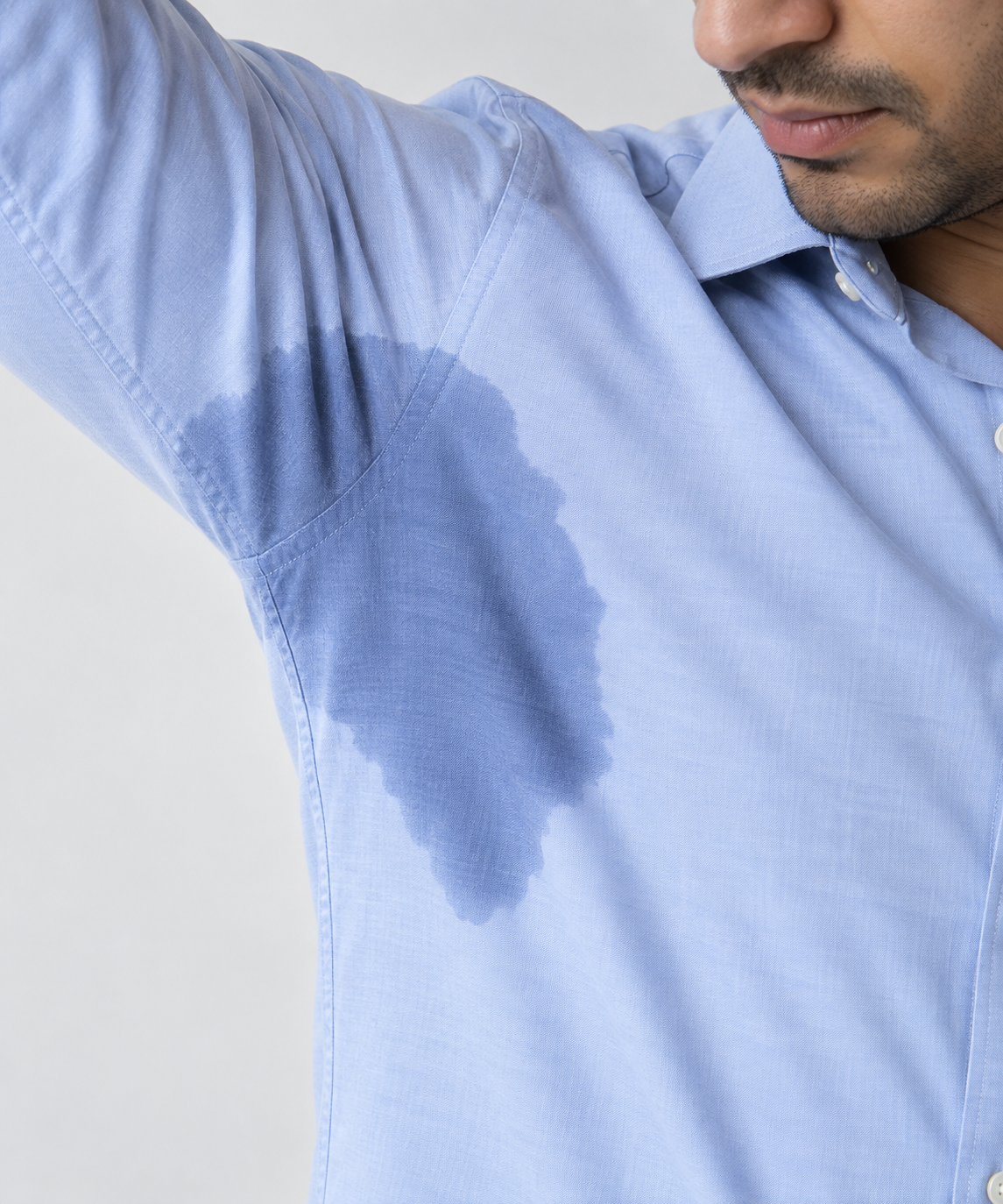
Sweat itself isn't always the problem Sweat marks are. Learn 7 practical ways to stop sweat showing through your shirt, from fabric to fit to sweatproof undershirts.
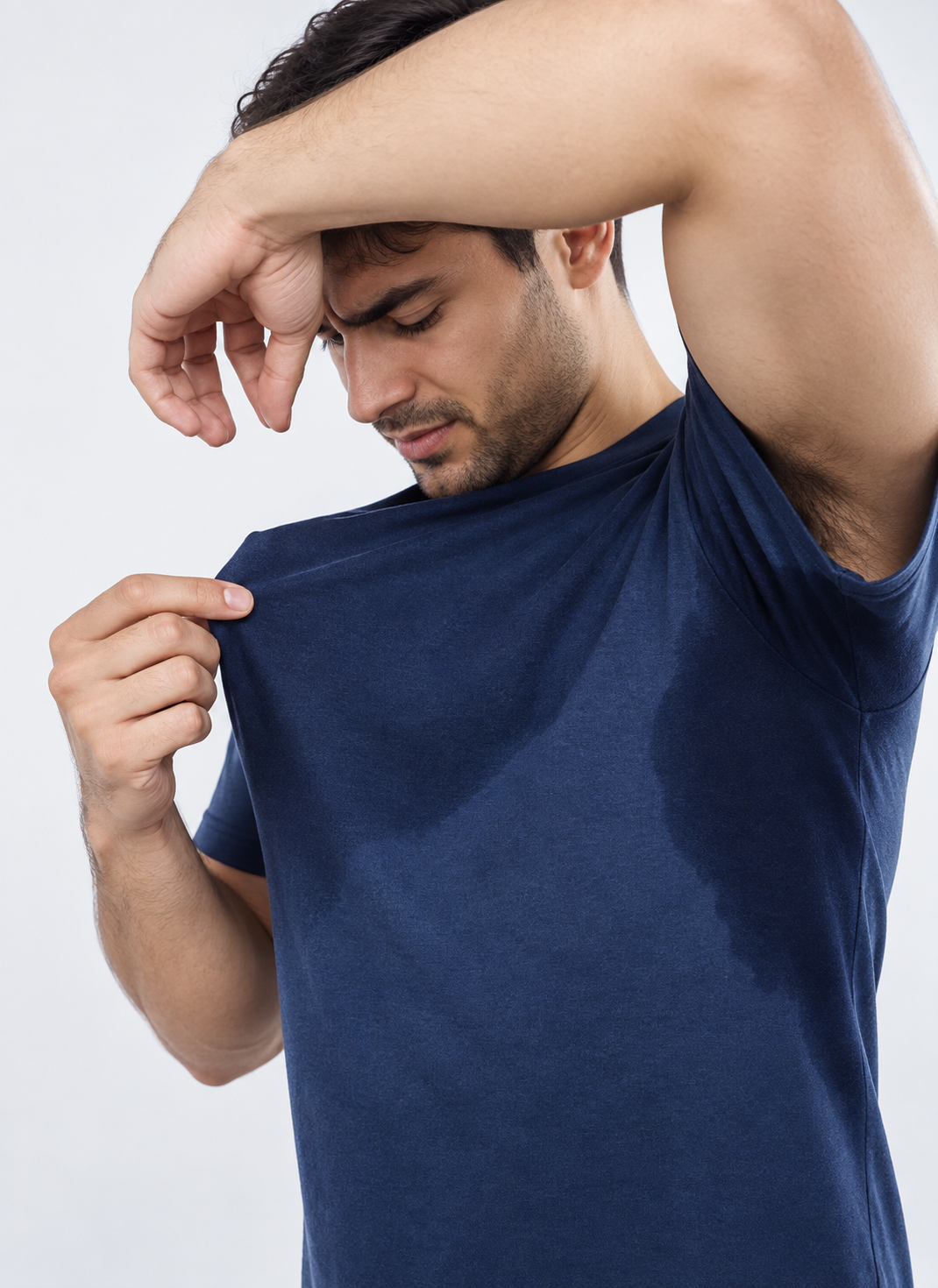
Learn how undershirts help manage sweat, sweat marks and odor, and understand the difference between regular, moisture-wicking and sweatproof undershirts.
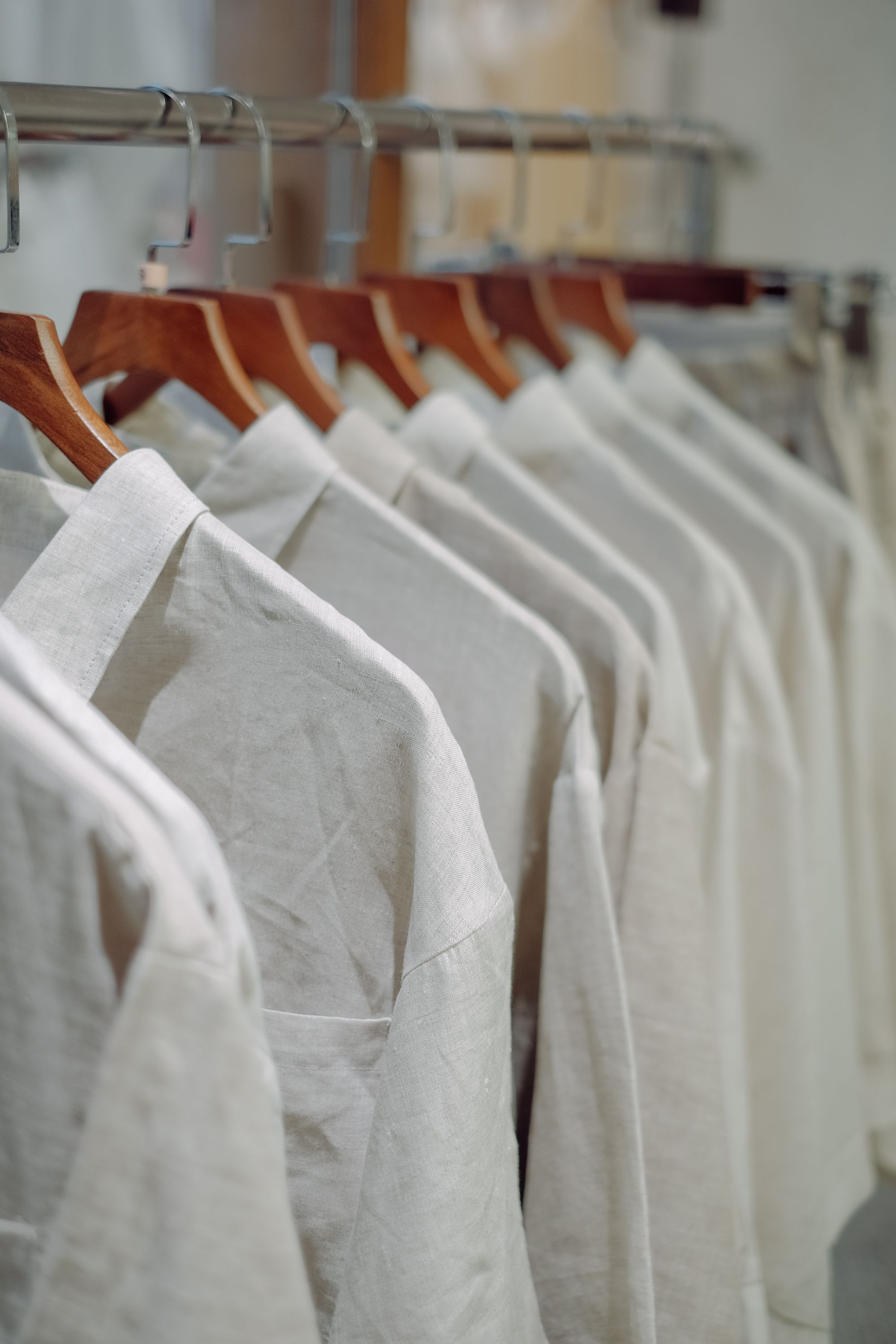
Does linen actually hide sweat? A practical guide to choosing a linen shirt for Indian summers, plus what to wear underneath if sweat marks are the real problem.
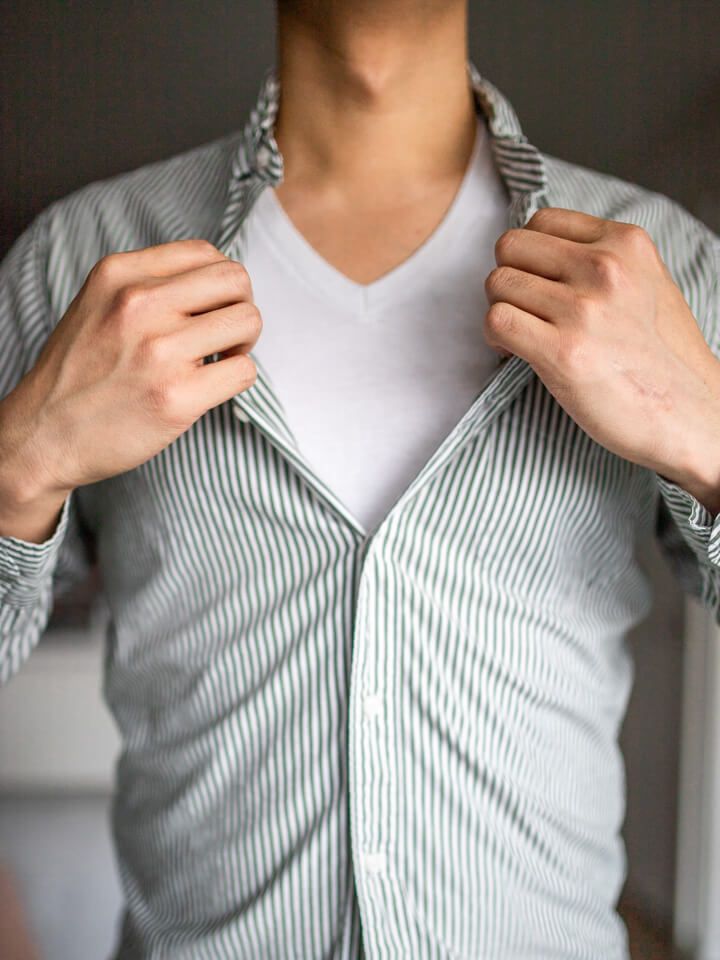
Does an undershirt actually stop sweat stains? Find out why moisture still shows through your shirts and when to upgrade to a sweatproof undershirt

Do undershirts make you sweat more or feel hotter? Learn how fabric, fit, weight and construction affect heat and everyday comfort.
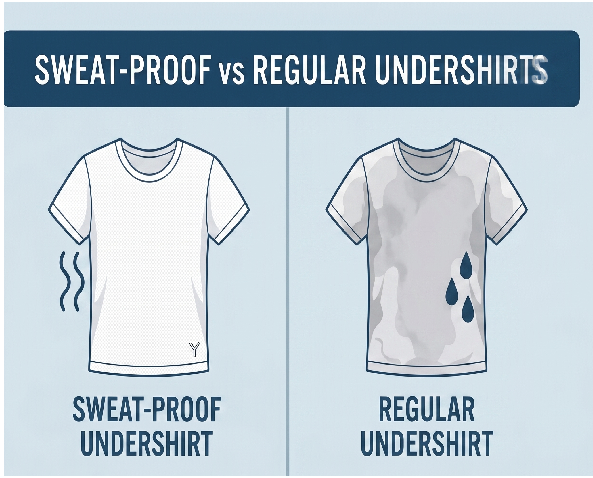
Sweatproof vs regular undershirt explained. Compare construction, comfort and sweat management to find the right undershirt for your everyday needs.

Do sweatproof undershirts really work? Learn how they manage underarm moisture, what affects performance, and what you can realistically expect.

What is sweatproof clothing? Learn what sweatproof means, how it works, who can wear it, and how it helps reduce visible underarm sweat marks.

Sweat-proof vs moisture-wicking clothing explained. Learn how each handles sweat, when to wear them, and which suits everyday or active use.
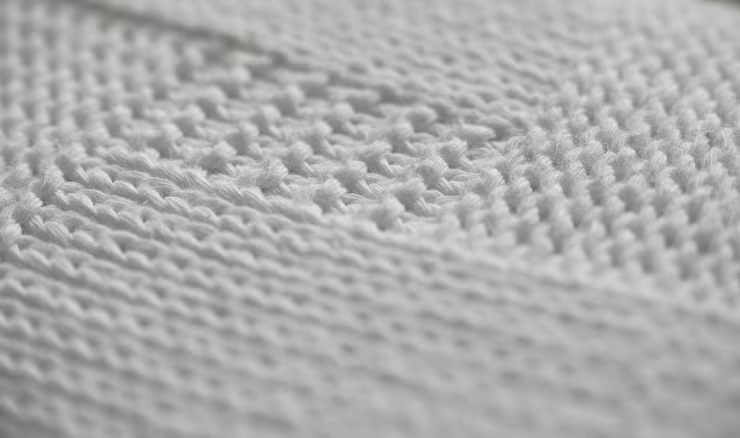
Compare cotton, linen, polyester, bamboo and merino wool to find the best fabrics for people who sweat a lot, including what helps with sweat marks.

Wondering why you sweat more than other people? Learn the most common causes of excessive sweating, when it's normal, when to seek medical advice, and practical ways to manage it with confidence.

Learn how to stop underarm sweating naturally with practical home remedies, lifestyle changes, trigger management, and ways to reduce visible sweat marks
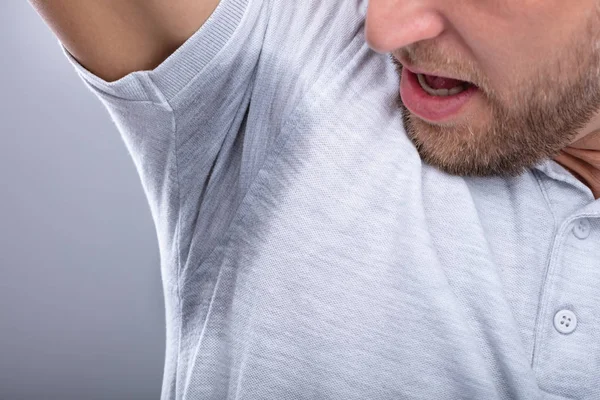
Why do your armpits sweat so much? The real causes, simple ways to manage it, and how clothing can stop the marks from showing.

How sweat quietly affects confidence at work the science of stress sweating, and how to stop it from becoming a distraction.

A science-backed 5-minute routine to manage stress sweat before your next presentation — plus how the right base layer keeps it from showing.
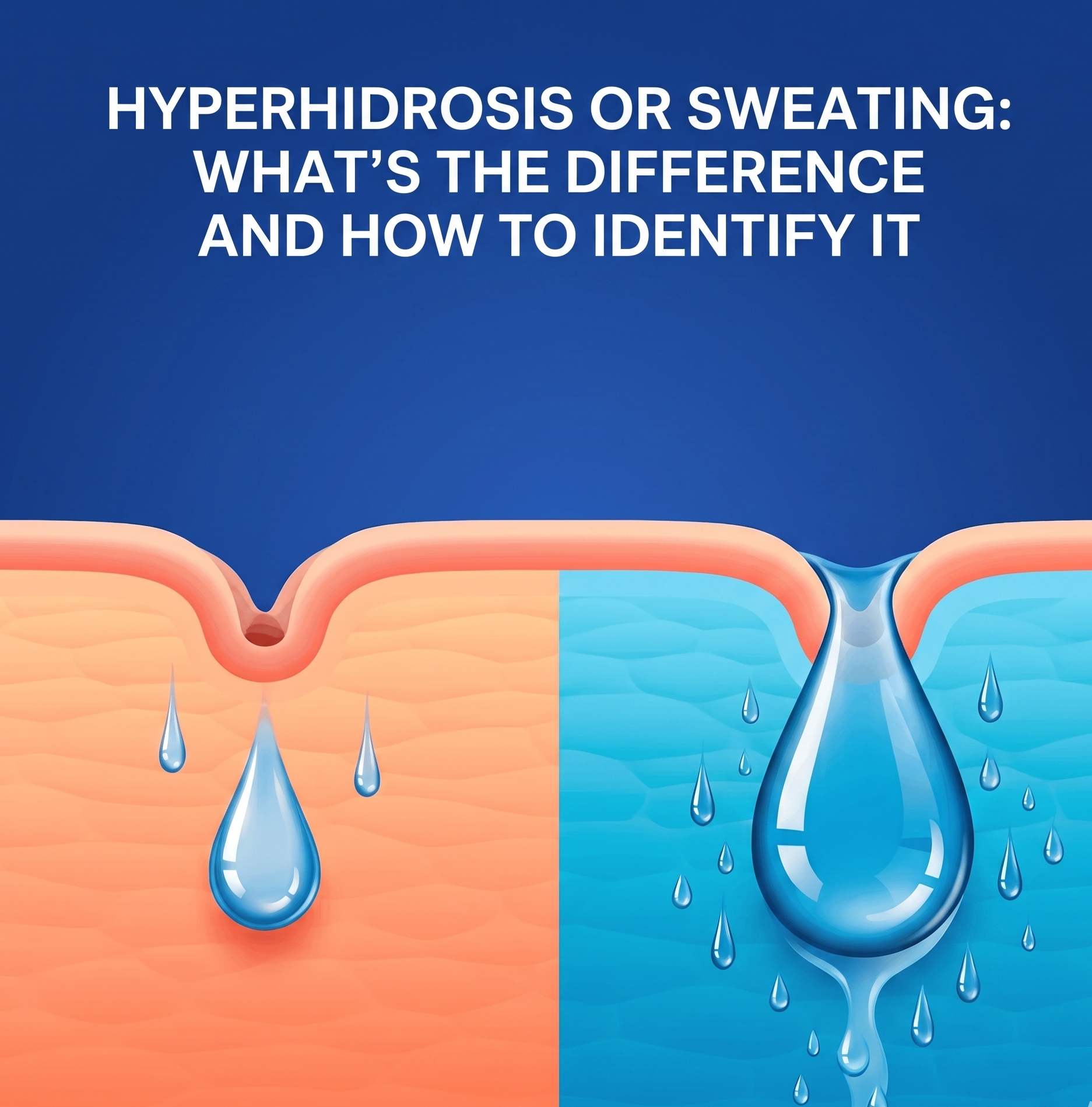
Normal sweating vs hyperhidrosis the key differences in timing, volume, and pattern, and when it's time to see a doctor.
Can antiperspirants make you sweat more? Learn why you may notice more sweating elsewhere, how antiperspirants work, and what to expect.
Dressing to stay cool, but still ending up with sweat marks on your shirt? You're not alone. This guide explains why staying cool and hiding sweat marks are two different problems and how the right fabric, color, and layering choices can help you stay comfortable and confident throughout the day.

Most Professionals Dress for the Office. Few Dress for the Commute. We have covered smarter choices during your daily commute.
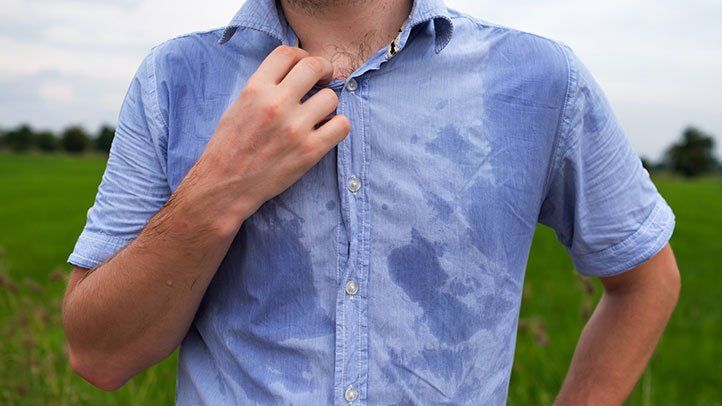
Sweating more than usual, even when you're not hot or active? Learn what hyperhidrosis is, its common signs and triggers, treatment options, and practical ways to manage excessive sweating.

Learn how to stop sweating in humid weather with practical tips for staying cooler, reducing sweat, managing humidity, and avoiding visible sweat marks.

Sweating heavily at work? Learn how to manage workplace sweating with practical tips for cooling down, choosing clothing, reducing triggers, and managing visible sweat marks.